
Myth Busting the Soy Boy
Plus a Tempeh Recipe

Did you say soy?? One minute it’s the darling of the wellness world; the next, it’s accused of giving everyone man boobs and hormone problems (or worse yet, cancer). Depending on who you follow on Instagram, soy is a devil or a darling.
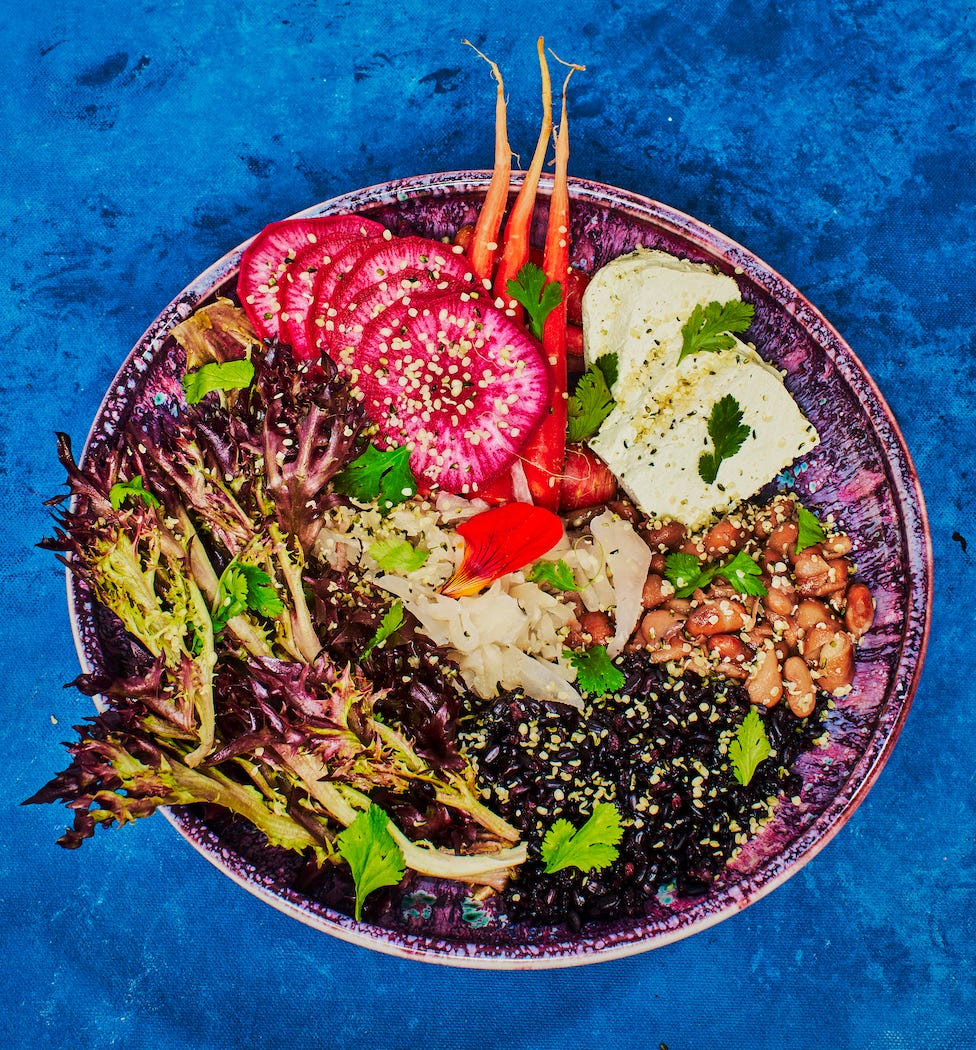
So what’s the truth? Let’s discuss the facts
IT’S CAUSING NO HARM IN THE BLUE ZONES
Ever heard of the Blue Zones? Those magical pockets of the world where people live longer, healthier lives than the rest of us doom-scrolling in bed? In Okinawa, Japan, tofu and miso soup are breakfast staples. Sure, there are other variables, but soy is by no means harming their health.
You might not be of Asian descent, so you think it’s not right for you. In Loma Linda, California, Seventh-day Adventists (only about 8% Asian) sip soy milk like it’s holy water, and they eat plenty of soy foods. Spoiler alert: these folks aren’t keeling over from soy overload. Quite the opposite—they’re thriving into their 90s with fewer diseases than most of us see by 40. Again, there are other variables to their good health, but soy is not causing harm.
The catch? They’re eating soy in its OG forms: tofu, tempeh, edamame, and miso. Not soy protein isolate disguised as a “birthday cake” protein bar.
Let’s get this out of the way: the science proves that soy does not hijack your hormones, give you man boobs, or cause unhealthy female boobs. Soy contains phytoestrogens—plant compounds that look a little like estrogen, but instead of spiking your system, they often block stronger estrogen signals. Translation: soy may actually help protect against hormone-related cancers rather than cause them.
Major cancer orgs (yes, actual scientists, not TikTok nutritionists) agree: moderate soy is safe. Even for breast cancer survivors.
THE PLOT TWIST
“Here’s the twist that nobody tells you: nearly 80% of the world’s soy crop doesn’t end up in your miso soup or tofu bowl—it’s fed to factory-farmed animals. Yes, cows, chickens, and pigs are gobbling down mountains of soy so we can eat… more meat. And when it comes to meats, grass-fed absolutely does not mean “soy-free.” Unless it’s labeled “100% grass-fed” or “grass-finished,” the animal may still have been given supplemental feed—especially in the winter or toward the end of life—and soy is one of the most common ingredients in these supplemental feeds. Why? Because soy is high-protein. Poultry and pigs labeled “pasture-raised” or “free-range” are almost always supplemented with soy-based feed unless explicitly soy-free.
So if you’re making fun of the tofu eaters but are still eating meat multiple times a week, you’re indirectly consuming way more soy than your tofu-loving friend (unless you are only eating grass-fed and grass-finished meats or hunted animals). In fact, estimates conclude that well under 10% of the meat produced in the U.S. is soy-free.
If you actually want to reduce your soy footprint? Eat less meat. (See what I did there?)
Where Soy Does Get Shady
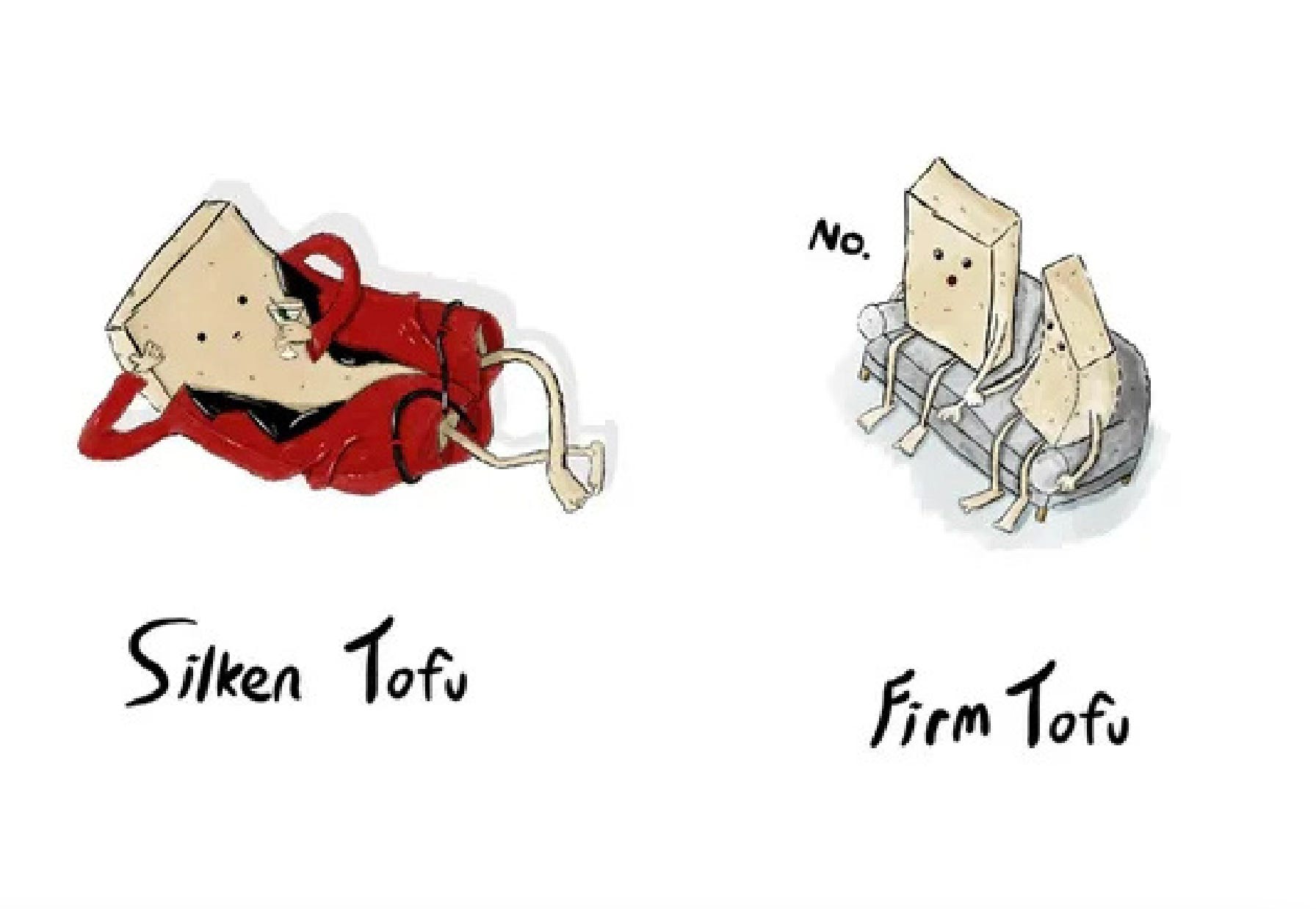
Like every wellness story, context matters, and I’m not here to act like turning your diet into a soy feast is a good idea.
Here’s where I stay on the shadier versions of soy consumption.
Processed soy = Is meh. Soy protein isolates in shakes, fake meats, or “energy” cookies don’t come with the same benefits. I will personally eat a fake soy meat here and there, but I don’t pretend that it’s as good for me as
Industrial soy = Typically pesticide soup. If you’re eating it daily (don’t), spring for organic. What do I mean by industrial soy? Soybean oil, soy lecithin, soy protein broth (in canned goods), and other times the word “soy” shows up on the label in processed foods.
Allergies = Real. For some, soy is genuinely inflammatory.
The Bottom Line
Soy is a complete protein, meaning it contains all nine essential amino acids in the right amounts to support human health. When eaten in whole food forms—like tofu, tempeh, edamame, soy milk, or miso—it provides not only protein, but also fiber, healthy fats, and beneficial plant compounds such as isoflavones. Large population studies of soy eaters consistently show that people who include soy as part of their regular diet enjoy many health benefits.
The bottom line is simple: eating soy in its minimally processed, traditional forms is not only safe, but an important part of a healthy, balanced diet.
Wait… there’s more!

SPICY PEANUT BUTTERNUT SQUASH NOODLES with SEARED TEMPEH//
My favorite way to eat soy is as tempeh. You can sear tempeh up and season—as you would any meat. Add to tacos, crumble in pasta sauce as “ground beef” etc. The options are endless. Here’s a recipe to get you started this fall.
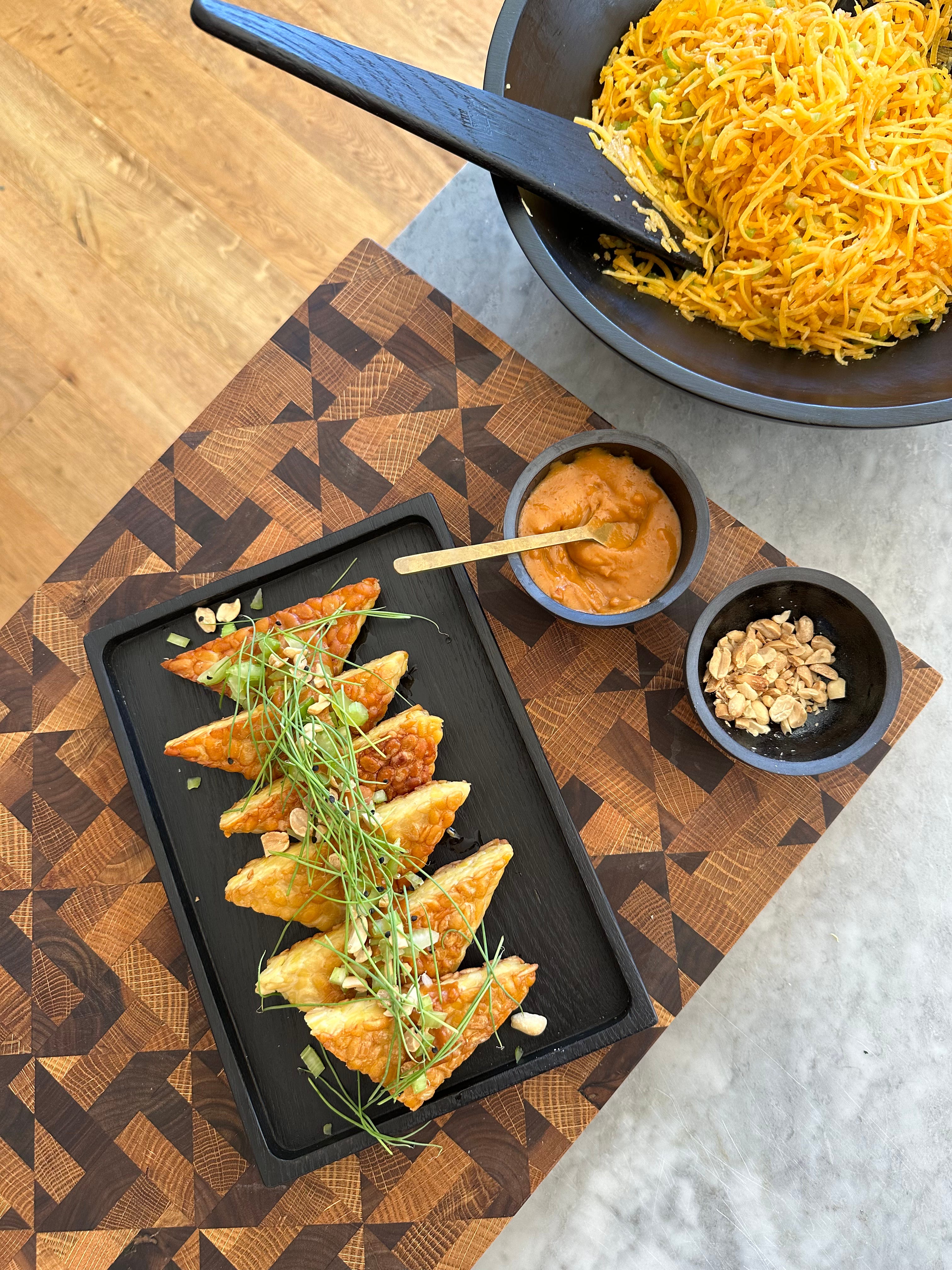
SPICY PEANUT SAUCE:
1/2 cup crunchy peanut butter
1/3 cup rice vinegar
1/4 cup soy sauce
1/4 cup water
2-3 tbsp sriracha (adjust for spiciness!)
Whisk all ingredients together until smooth.
SEARED TEMPEH:
2 -8oz blocks of tempeh cut into 8 triangles
Heat 2-3 tbsp olive oil in a cast-iron pan. Once the oil is hot, sear the tempeh for about 5 minutes on each side. Sprinkle with sea salt.
GARNISH + CRUNCH:
4 stalks celery, diced. Remove leaves for garnish
Chopped peanuts
Fresh chives
TO SERVE:
Toss the noodles with half of the sauce and chopped celery. Serve with 2-3 pieces of tempeh. Drizzle with more sauce, and garnish generously with peanuts and chives!

If you like what I do and would like to work together beyond Substack, please visit my website.
Why work with me? As a Duke University Certified Wellness Coach, I help people create sustainable rhythms of health and wellness—rooted in neuroscience and nutrition, and supported by a real-world coaching framework. My approach is thoughtful, compassionate, and designed to meet you exactly where you are.
Whole-Self Approach – We will look at body, mind, and daily rhythms together to find out what lights you up and makes room for sustainable transformation.
Grounded in Science – We will focus on the simple, research-backed tools that actually work. Whether it’s losing five pounds, having more energy, or just feeling better.
Experience Meets Empathy – With 15+ years in wellness, my focus is on being compassionate at the core. Not everyone has the same toolkit in life.
Sustainable Change – My belief (and science backed) philosophy is that small shifts are the secret to transformation.
Supportive Partnership – You don’t have to do it alone. At the end of the day, my experience is here to support you. Ask me anything, and we’ll sort through the BS together!

Pre-Order my book, HELP YOUR SELF. Available October 21.
